By Hellenic Los Angeles Media Network (HLAMN)
November 4, 2026 | Washington, D.C.
A dramatic election night reshapes American politics
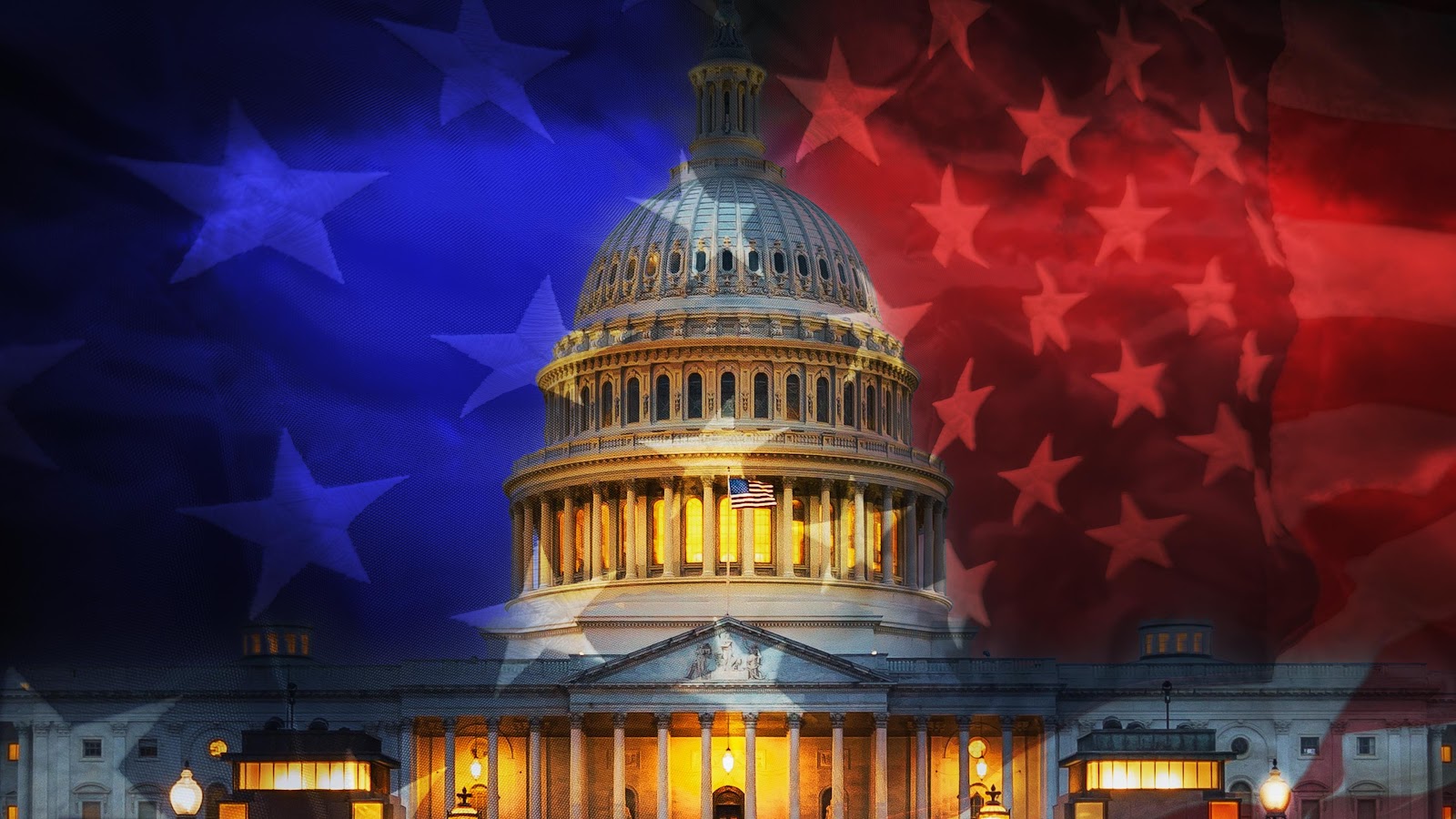
The 2026 United States midterm elections have delivered a major political shock, with Democrats winning control of both the House of Representatives and the Senate, according to reports published by Reuters and the Associated Press on Wednesday.

The results represent a significant setback for President Donald Trump and the Republican Party, which entered the election controlling both chambers of Congress. The outcome is expected to reshape the political landscape in Washington during the final two years of Trump’s current term.
Although vote counting and the finalization of individual races continue, the emerging results point to a clear shift in the balance of political power, with voters delivering a strong message about the direction of the country.
Democrats gain ground in key Senate races
Several closely watched Senate contests proved decisive in the Democrats’ effort to regain control of the upper chamber.
In Texas, Democrat James Talarico defeated Republican Ken Paxton in a landmark victory that signals a major political shift in a state long considered a Republican stronghold. Talarico’s win is particularly significant given Texas’s importance in national politics.
In Kansas, Democrat Adam Hamilton defeated incumbent Republican Senator Roger Marshall, securing a breakthrough for Democrats in a state that had not elected a Democratic senator since 1932.
Democrats also secured important victories in North Carolina, Ohio and South Carolina, while Jon Ossoff retained his Senate seat in Georgia.
These results demonstrate that Republican candidates faced challenges not only in traditional battleground states but also in areas where the party had previously enjoyed a considerable electoral advantage.
The House of Representatives changes hands
The battle for the House of Representatives also ended in a major Democratic victory.
Democrats gained more than two dozen seats, according to early post-election reporting, overcoming the Republican majority and positioning themselves to exercise greater oversight of the Trump administration.
A Democratic-controlled House could initiate investigations, issue subpoenas, hold congressional hearings and block or reshape legislative priorities.
The change does not mean that Democrats will automatically be able to enact their entire policy agenda. However, it places significant limits on the administration’s ability to advance legislation without negotiating with the opposition.
The economy and the cost of living emerge as major issues
Economic concerns were among the most important factors shaping the election.
Reuters reported that pre-election exit polling showed widespread dissatisfaction with the cost of living and the overall direction of the country. Many voters expressed concern about high prices and the economic consequences of government policies, including tariffs.
Foreign policy, particularly the war involving Iran, and concerns about government corruption also featured prominently in voters’ assessments.
The results suggest that economic pressure and dissatisfaction with the administration became central issues in several competitive races.
For Democrats, the election offers an opportunity to present themselves as a stronger counterweight to the White House. For Republicans, it raises difficult questions about how to reconnect with voters ahead of the next presidential election.
What the results mean for President Trump
The loss of both chambers represents one of the most consequential political challenges of Trump’s current presidency.
With Democrats controlling Congress, the administration is likely to encounter greater resistance to its legislative priorities. Congressional investigations and disputes over federal spending, immigration, trade and foreign policy could become more prominent.
The results also provide Democrats with renewed momentum as the country begins looking toward the 2028 presidential election.
Nevertheless, the election should not be interpreted as a direct presidential vote. Midterm elections involve different candidates, local issues and turnout patterns, and the results do not determine who will win the next presidential contest.
Important victories and historic milestones
Beyond control of Congress, several races produced notable political milestones.
In Michigan, Democrat Abdul El-Sayed’s victory means he is set to become the first Muslim senator in U.S. history, according to Associated Press reporting.
In Minnesota, Peggy Flanagan became the first Native American woman elected to the U.S. Senate.
In New Hampshire, Democrat Chris Pappas won his Senate race, becoming the first openly gay man elected to the chamber.
Governorships also produced significant results. Democrat Keisha Lance Bottoms won in Georgia, while Republican Byron Donalds secured victory in Florida, according to election-night reporting.
These contests demonstrate the diversity of political outcomes across the country, even as Democrats made substantial gains at the congressional level.
What happens next?
The immediate priority is to complete the counting and certification of votes, particularly in closely contested races.
Once the new Congress takes shape, attention will turn to leadership elections, committee assignments and the policy battles that will define the next two years.
A divided political climate is likely to continue, but the balance of power in Washington has changed substantially. Democrats will have greater institutional authority to challenge the administration, while Republicans will need to reassess their strategy following a difficult election.
For the United States, the results mark an important moment in the ongoing debate over the economy, government accountability, national security and the country’s political future.
HLAMN Perspective
For American communities, including Greek Americans and the wider Greek diaspora, the election outcome matters beyond party politics.
Decisions made in Washington can influence economic conditions, international relations, defense cooperation, immigration policy and the broader relationship between the United States and its allies, including Greece and Cyprus.
The change in congressional control will be closely watched by communities with strong cultural, economic and family ties to both sides of the Atlantic.
Hellenic Los Angeles Media Network will continue monitoring the results, the final congressional seat counts and the policy implications for the United States and the international community.
The 2026 midterms have sent a powerful message: control of Washington can change, and voters remain central to the direction of American democracy.
Hellenic Los Angeles Media Network (HLAMN) — Connecting Greek-American communities with the stories shaping the United States and the world.
Sources: Reuters; Associated Press; election coverage published November 4, 2026.


Comments are closed